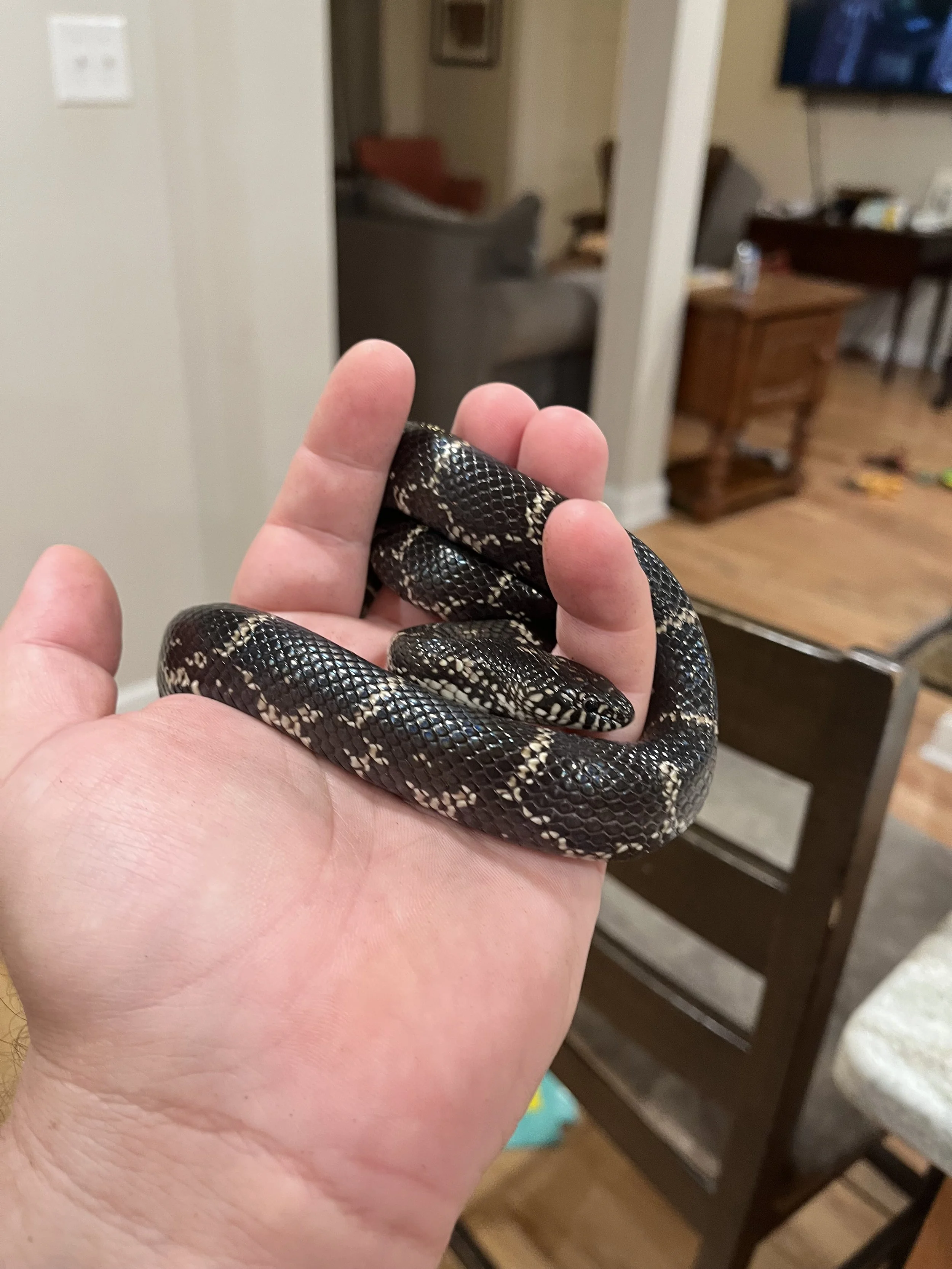
IMG_8894.jpeg

Snakes

Venomous snakes pose serious risks to people and pets because their bites can deliver toxins that damage tissue, impair circulation, disrupt the nervous system, and, in severe cases, cause permanent disability or death; beyond the immediate medical threat, bites can lead to infection, prolonged recovery, costly emergency care, and psychological trauma. Encounters are most likely when snakes are surprised or cornered—near brush, woodpiles, rock ledges, or in tall grass—so accidental bites often occur during outdoor work, hiking, or when attempting to handle or relocate a snake. Children, the elderly, and individuals with certain medical conditions are at higher risk for severe reactions, and delayed treatment significantly increases the chance of complications. Preventive measures—wearing boots and long pants, using a flashlight at night, keeping yards clear of debris, and securing buildings against snake entry—reduce encounters, while immediate professional medical attention after a bite is essential.

Our Approach

Keeping snakes out of your home begins with removing what attracts them: seal foundation cracks, door gaps, and any openings around pipes or vents with durable materials; keep yard areas tidy by trimming tall grass and removing debris, woodpiles, and rock piles where snakes hide; secure screens on windows and vents and install door sweeps to block entry points; reduce rodent populations—primary snake prey—through exclusion and sanitation measures; use gravel, rock, or lattice barriers against foundation edges and avoid dense ground cover close to the house; finally, if you spot a snake or suspect an infestation, contact a licensed wildlife professional for safe removal and targeted exclusion work to prevent reentry.